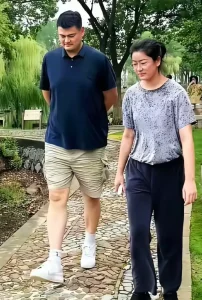
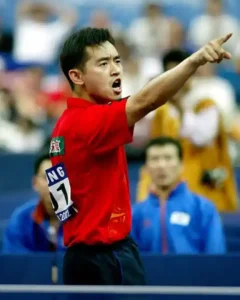
Chen Chien-chow, a 49-year-old fitness regular, collapsed suddenly during a basketball game due to 90% blocked heart vessels, caused by long-term irregular late sleep.
Chen Jianzhou, 49, has maintained a fitness routine for years and is most often seen on amateur basketball courts. For many years, he has consistently projected a fit public image, frequently playing basketball with friends in the entertainment industry and rarely missing his regular weekend games.

That day, after calling out to his teammates on the court to pass him the ball, he suddenly clutched his chest and collapsed straight to the ground. Panic immediately swept through the court, and no one there had time to react.
At first, he thought he was just exhausted from playing and tried to force himself to sit up, but his body slumped uncontrollably to one side. Teammates nearby rushed to support him and discovered his back was drenched in cold sweat. Everyone immediately called 120 to send an ambulance.
Test results showed that his main coronary artery was 90% blocked. The attending physician at National Taiwan University Hospital explained that if he had been brought in just ten minutes later, his condition would have been extremely critical.The emergency resuscitation lasted 90 minutes. Family and friends waiting outside the emergency room were on edge the entire time, and it wasn’t until the emergency room door opened and the doctor gave a thumbs-up that everyone breathed a sigh of relief.
On the evening of September 17, Chen Jianzhou himself issued a public statement, attributing his condition to years of staying up until 2 or 3 a.m. and then having to get up early the next morning to work—a long-term pattern of irregular sleep that had taken its toll over time.
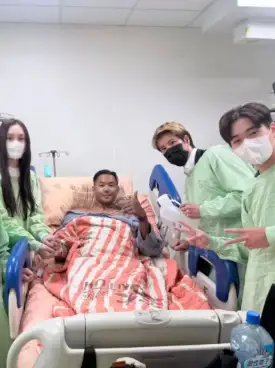
Many people previously believed that those who exercise regularly and are in excellent physical condition would not face vascular health risks, but this incident has shattered that common misconception.
Vascular health risks are not limited to the elderly or frail; even those with regular exercise habits should not be complacent. It is not advisable to stay up late for extended periods on a daily basis. If you have symptoms of high blood pressure, high blood sugar, or high cholesterol, you should take medication as prescribed by your doctor. If you experience chest pain lasting more than ten minutes, do not drive yourself to the hospital; calling 120 immediately is the safer option.People over the age of 40 should undergo annual physical examinations on schedule and avoid ignoring the warning signs their bodies send.
Many people have experienced chest tightness after staying up late, often attributing it simply to fatigue. In light of this incident, it is only natural for people to become more vigilant about such common physical reactions.