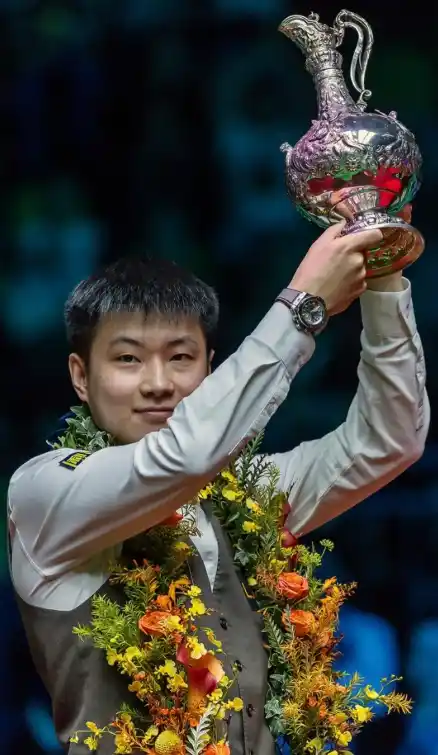
Two consecutive World Snooker Championships have seen Chinese winners, a feat once unimaginable. China's snooker has grown from a single star to a strong, solid team.
For two consecutive Snooker World Championships, the champions have been Chinese players—a feat that no one would have dared to imagine a decade ago.
In his early years, Ding Junhui traveled alone to England to compete on the snooker circuit. At the time, he was strapped for cash and couldn’t afford to rent a decent practice table; the small room he rented didn’t even have a corner where he could set up his cue and practice a little. Alone in a foreign land with no companions or mentors,he relied solely on sheer tenacity to grit his teeth and persevere, fighting his way up to the ranks of the world’s top players. Back then, the attention of China’s snooker fans was focused almost exclusively on Ding Junhui; no one dared to harbor any greater hopes for the future of Chinese snooker.
Later, Ding Junhui opened a private snooker hall in the UK, setting fees lower than the local industry’s average operating costs. For many years, he covered the resulting losses out of his own pocket, solely to provide young Chinese players training in the UK with a permanent place to stay and practice—a space where they could focus on their game and learn from their mistakes.Without resorting to flashy publicity stunts, he has built a solid, long-term platform for identifying and nurturing up-and-coming talent. Today, the vast majority of rising snooker stars recognized by Chinese audiences have trained at this club.
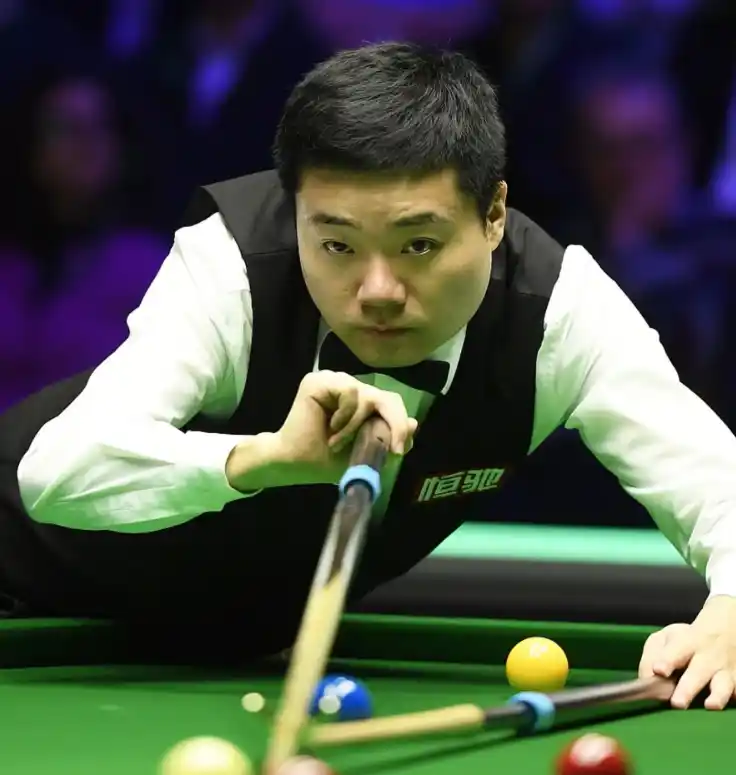
For a long time, industry insiders were reluctant to predict that Chinese snooker would gain significant traction. Their greatest concern was that young players who had finally begun to make a name for themselves would lack support and guidance once they went overseas—and rather than achieving success, they would end up wasting their precious athletic careers.
Over time, the pool of domestic snooker talent has gradually expanded,veteran players deliver consistent performances to anchor the team, mid-career players can withstand the pressure of high-intensity, tough matches, and the younger generation dares to take the initiative even against the world’s top players, never showing a hint of nervousness under the spotlight of the international stage.In contrast, some traditional snooker powerhouses are experiencing a generational gap in their youth development systems. What Chinese snooker has built is genuine, long-term competitiveness.From the days when Ding Junhui stood alone like a solitary peak to today’s complete roster of players capable of competing in high-stakes matches, every step forward in recent years has been solid and resolute.
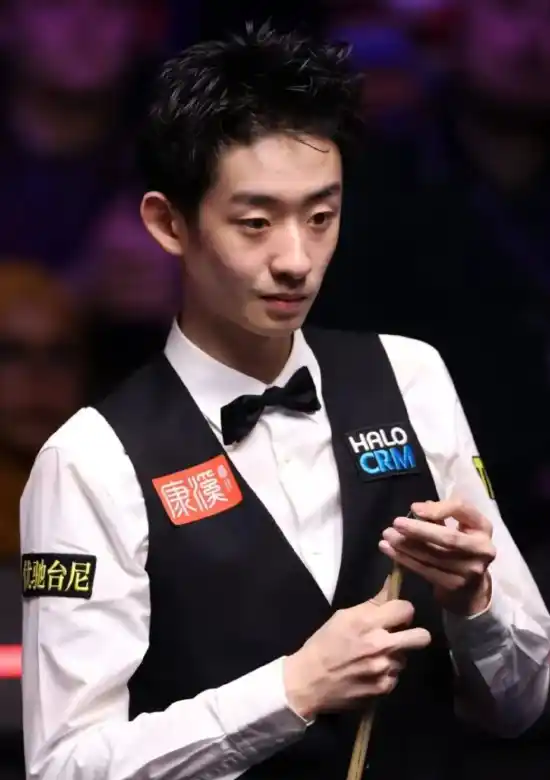
A few years ago, there was a common view that the entire future of Chinese snooker rested on Ding Junhui alone, and that once he retired, the sport would once again fall into obscurity. Hearing such remarks, many fans of the sport couldn’t help but feel a sense of unease.
It is now clear to the public that the development of Chinese snooker has reached a new level. The next steps involve addressing the weaknesses of young players in handling crucial points and establishing a long-term mechanism in which players, the association, and the market share the costs of player development—ensuring that the pioneers who laid the groundwork for the industry will never again have to bear all the pressure alone.
Chinese snooker has steadily made its way to where it is today, and its future development is something to look forward to. We need only wait patiently and support these young players as they continue to move forward—even more exciting developments lie ahead.