A masked old woman kills samurai for food in 1960s Japan, then scares her daughter-in-law and becomes stuck with the mask, as the film *Onibaba* explores despair in chaos.
In the dense forest on a rainy night, the samurai’s blood dripped through the cracks at the edge of his mask into the damp mud, spreading into a small, dark brown stain.
Anyone witnessing this scene for the first time would likely feel a sudden pang of unease and find themselves unable to resist wondering who exactly this masked figure was.
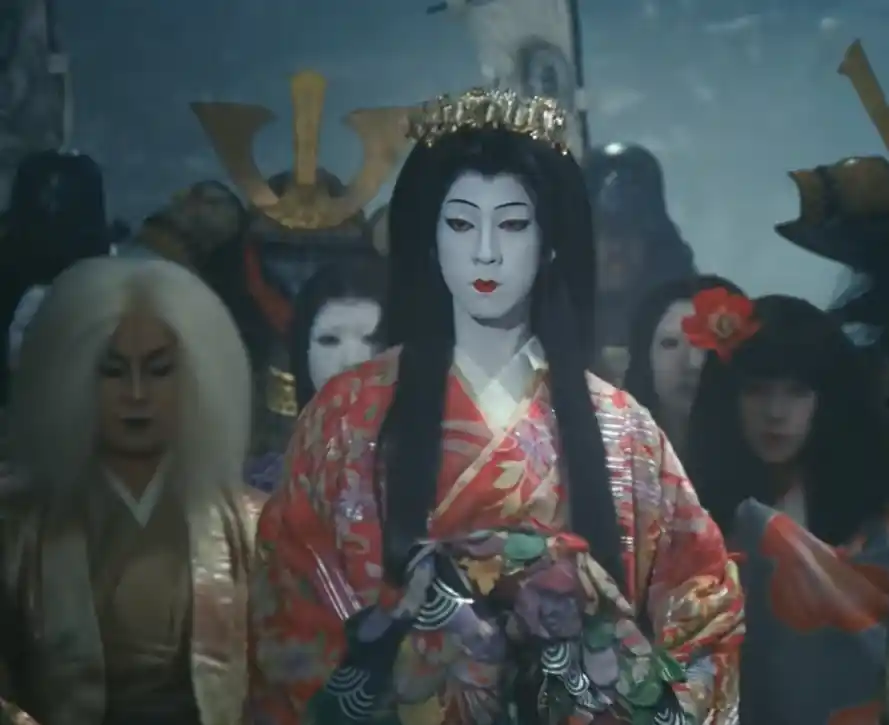
Once the truth is
revealed, it turns out to be nothing out of the ordinary—she wasn’t some fearsome mountain bandit, but simply an ordinary old woman trying to make a living with her grandson. In 1964, Japan was in the midst of the chaotic Northern and Southern Courts period; the people were suffering, and the fires of war had burned their food supplies to ashes.the grandmother and her grandson had been hiding deep in the dense forest for two years. They survived by luring and killing lone samurai, stripping them of their clothes in exchange for enough food to fill their stomachs. They had to stifle even a single cry and were afraid to take a single extra breath, lest it drain their remaining strength.
Having reached this point, the old woman had long since been pushed to the brink of life and death, with no room left for any other thoughts. Being kind and compassionate was out of the question; simply raising her grandson safely to adulthood was already a tremendous feat.
She had been managing to scrape by like this, but then news arrived from the front lines that her son had long since fallen in battle. Her daughter-in-law hid in a haystack and wept all night, but afterward gradually began spending more and more time with a young man from a neighboring village.
Clutching the half-piece of dried rations—all she had left—the old woman feared nothing at that moment except being abandoned by her daughter-in-law, and that her old bones would one day have nowhere to be laid to rest.
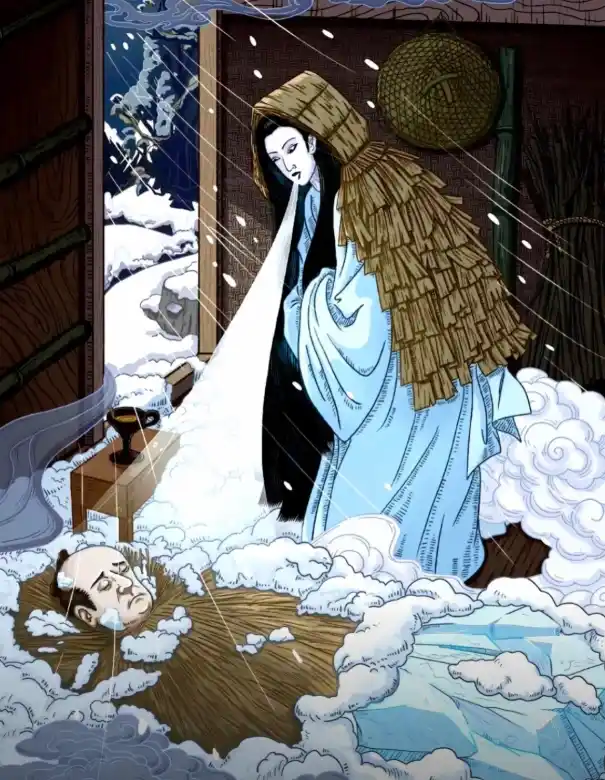
Anyone who saw her would be worried sick—an elderly woman who’d lived most of her life, driven into such a desperate situation—what could she possibly do?Groping in the dark,
she dug out the old mask from her home—the one painted with a green face and fangs—and, under cover of night, crouched in the woods where her daughter-in-law was bound to pass. As the woman drew near, she leaped out suddenly.The moment the mask touched her face, she heard a strange sound coming from her throat—not something she’d deliberately made, but rather a noise like that of a malevolent spirit that had long dwelled in the woods. When she awoke the
next morning, the mask was firmly stuck to her face, and she could no longer remove it.
This is the story from the old movie *The Ghostly Old Woman*, which took Asia by storm decades ago: a wretched old woman who had long survived by killing samurai for food—at first, fearing abandonment, she pretended to be a ghost to scare her daughter-in-law, but in the end, she truly became a wild ghost unable to remove her mask.
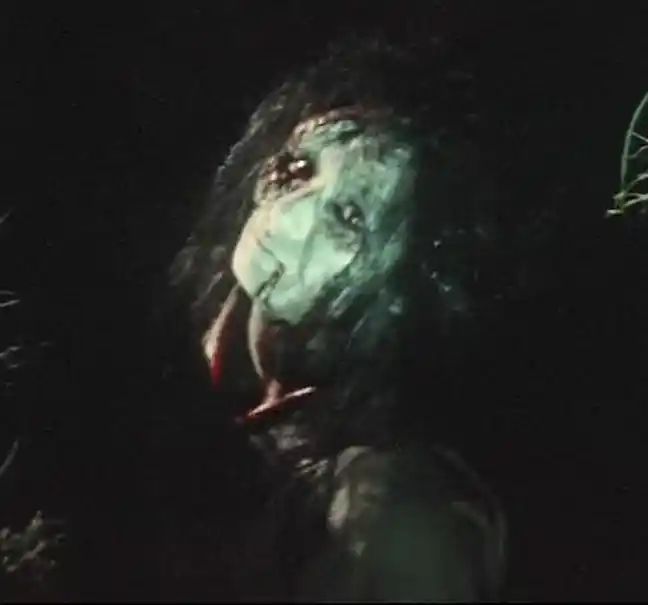
This film, which has been beloved since 1964, doesn’t rely on flashy special effects or far-fetched, melodramatic plot twists—it simply taps into the complex emotions of ordinary people living in turbulent times to strike a chord deep within the hearts of viewers.
Most of us in this generation have experienced hardship; we’ve all feared being abandoned in difficult moments, and we’ve all harbored some unspoken fears and anxieties deep within our hearts.As for the ending—where the old woman ultimately becomes a ghost—was it the result of the pressures of turbulent times, or does it reveal the unspoken cowardice hidden within the human heart? Those who have seen it will have their own interpretations.
If you, too, have witnessed people or situations driven to the brink of despair, feel free to share a few words in the comments section—let’s discuss it together.