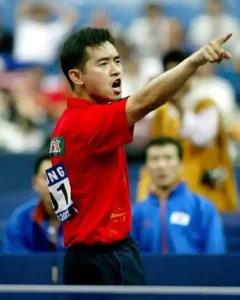
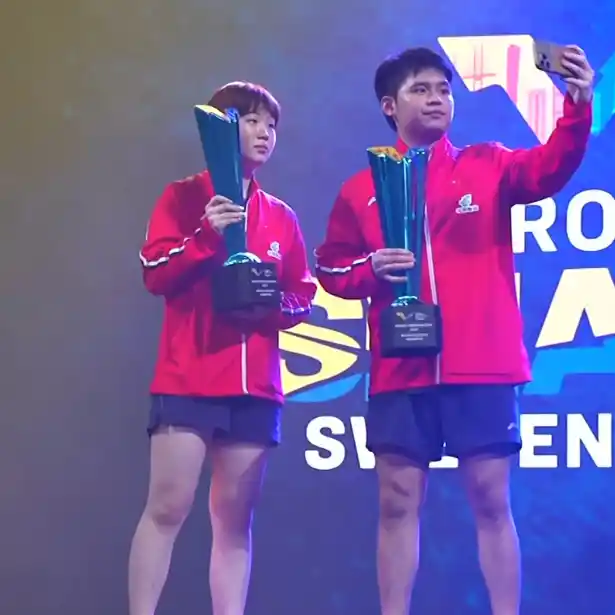
Lin Shidong/Kuai Man won Sweden Open mixed doubles title, rallying from 1st-set loss to claim a stunning 4-1 comeback victory.
Lin Shidong and Kui Man Win Mixed Doubles Title at the Sweden Open
—But They Lost the Very First Game! What’s Going On with These Two Young Players? After the first game of the mixed doubles final at the
Sweden Table Tennis Open, the live audience was inevitably surprised.The pair, who had just swept their opponents 3-0 in the semifinals, were widely expected to maintain their momentum in the final—but they unexpectedly lost the first set, falling behind 0-1.As a new generation of mixed doubles pair that the Chinese national table tennis team has been focusing on developing over the past two years, Lin Shidong and Kui Man have been partners since their junior days and have won numerous medals in continental competitions. This marks the first time they have advanced to the final of a high-level senior open tournament since teaming up,and the rocky start inevitably had fans on the edge of their seats.
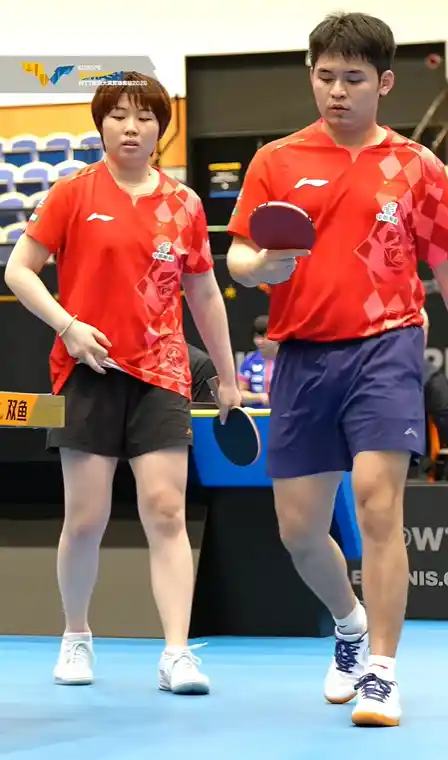
They won three
straight sets! They fought their way back to claim the championship.
Faced with a loss in the first set, the two young players didn’t panic.During the break between games, the pair immediately discussed and adjusted their positions for receiving serves, optimized the rhythm of their front-to-back court transitions, and even made last-minute changes to the tactical sequence they had previously practiced, gradually bringing the pace of the match back to a rhythm they were comfortable with.Ultimately, the pair won three consecutive sets to stage a 4-1 comeback victory, and the arena erupted in sustained applause as they claimed the title.Lin Shidong had previously reached the semifinals in the men’s singles event at the Swedish leg of the series, while Kuai Man had finished as the women’s singles runner-up in last year’s edition of the same series. The pair were already somewhat accustomed to the venue’s court conditions and the crowd’s atmosphere, which helped them stage this comeback victory.
This championship was truly well-deserved.

Winning
this tournament is not only a recognition of their achievements but will also bring the pair a significant boost in world ranking points. When competing in future international events, their higher rankings will secure them seeded positions, reducing the likelihood of facing top players in the early rounds and providing them with more breathing room to perform well in subsequent matches.
While some celebrated, others were disappointed
: all five players from the Chinese women’s national table tennis team advanced to the women’s singles quarterfinals in this tournament. The players fully capitalized on their strengths in the serve-and-return phase, putting significant pressure on their opponents.In contrast, the two young male singles players sent by the Chinese national team were both eliminated in the round of 16. Both matches went to a deciding set, but ultimately, they failed to secure the crucial points and were unfortunately knocked out.
In competition, it all comes down to who seizes the initiative first. The course of the
Sweden Open also confirmed a core principle of on-court performance: the team that establishes an early advantage in the first set often controls the rhythm of the entire match more smoothly. This pattern was evident in many of the matches featuring the Chinese national table tennis team during this event.
Where Should the Chinese National Table Tennis Team Focus Its Efforts Next? The transition between veteran and younger players on the Chinese national
team is inherently a gradual process, and fluctuations in tournament performance are perfectly normal. The team’s future training and competition schedules will naturally be determined by a professional staff, and by giving young players sufficient time to develop, their performance will gradually stabilize.