Nolan's 14-day-old R-rated ancient epic adaptation, a solid war confession with IMAX 70mm practical effects, has grossed 727M USD worldwide, exceeding industry expectations.
A cold, hard ancient Greek bronze spear slices through flesh, sending spatters of blood across the IMAX screen. The impact hits you right in the gut, making you involuntarily grip your cup sleeve tighter.The film has been in theaters for just fourteen days, yet its global box office has already soared to $727 million, with a 96% Fresh rating on Rotten Tomatoes and an 8.2 score on Douban—results that are truly surprising.
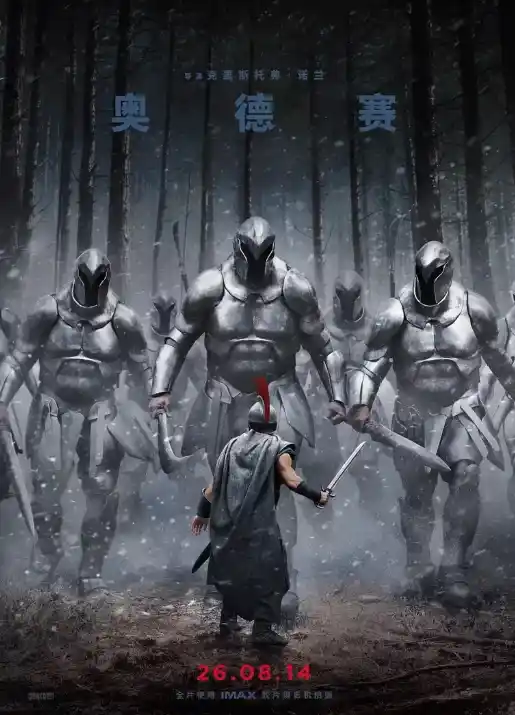
With no big-name stars to draw audiences, an R-rated rating, and a story adapted from an epic set 2,700 years ago, such films typically struggle to recoup their costs based on past market responses to similar projects. No one expected it to become the talk of the town as soon as it hit theaters.
Most adaptations of this genre in recent years have followed the same formula: cashing in on the original IP to make a quick buck,with plots so formulaic that you could guess the ending just by watching the beginning. No matter how lavish the special effects, they felt like empty shells lacking substance. Even for us longtime fans who’ve been following the original epic works for years, our long-held enthusiasm had been pretty much worn thin—we’d long since stopped having any expectations for this kind of adaptation.
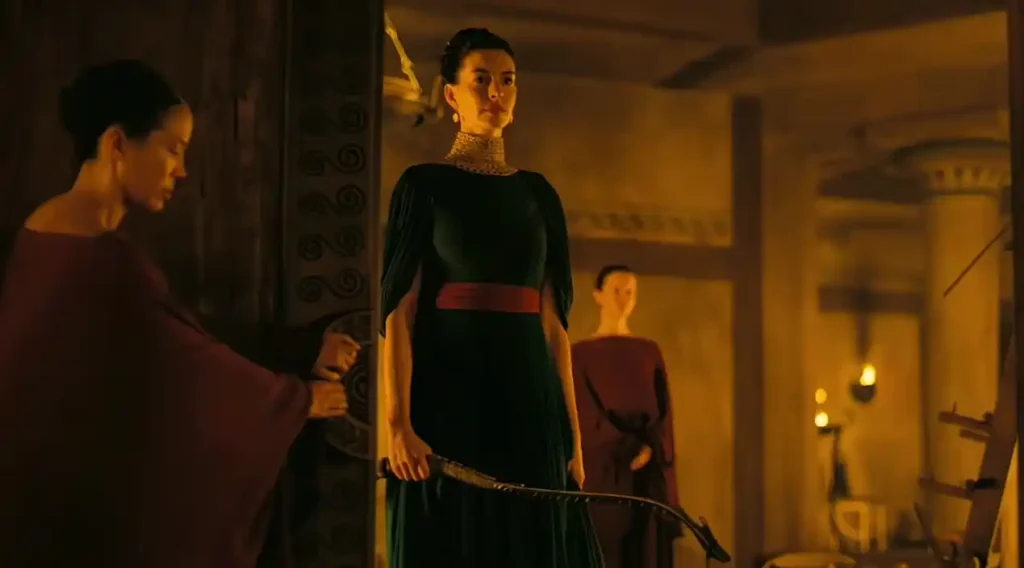
But Nolan refused to play by the industry’s unwritten rules. He dismantled the conventional framework of traditional adaptations, transforming the entire ancient epic into a gritty war memoir, and insisted on using on-location filming and practical effects throughout,shooting every single frame on IMAX 70mm film for a full three hours. With none of the clichés of feel-good blockbusters and no reliance on A-list stars to ride their coattails, when the release date was first announced, both industry insiders and outsiders alike believed the film was almost certain to flop.
As a result, on its first day of release, it filled IMAX screens nationwide,with the film version alone grossing $16.9 million. More than half of the audience bought tickets specifically because of Nolan’s reputation as a filmmaker, and mainland Chinese theaters, in accordance with regulations, edited out content deemed unsuitable for public screening—so even young people, who usually have a hard time sitting through feature-length films, were able to sit through the entire runtime without issue.
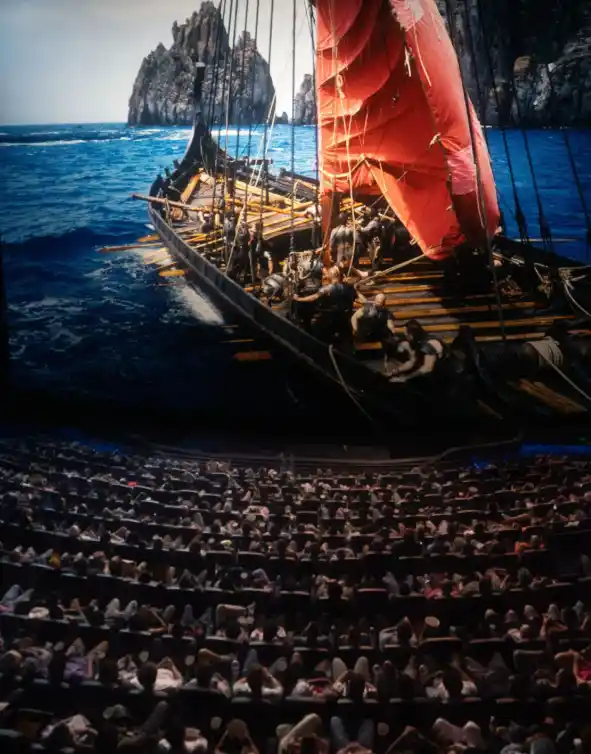
I stared blankly at the palace on the screen, which was swarming with hundreds of suitors, and as I heard the characters repeatedly mention “Zeus’s Law” in their dialogue, I couldn’t help but wonder: How dare outsiders barge into the king’s residence to seize money and power when the monarch—who had been wandering abroad for twenty years—hadn’t even returned yet?It turns out that the so-called “Law of Zeus” refers to the etiquette between hosts and guests that was deeply ingrained in ancient Greek society—any violation of these rules would invite divine retribution. Nolan didn’t spell out these principles explicitly; instead, he laid out the fragments of the collapsing old order, one by one, before the audience’s eyes.
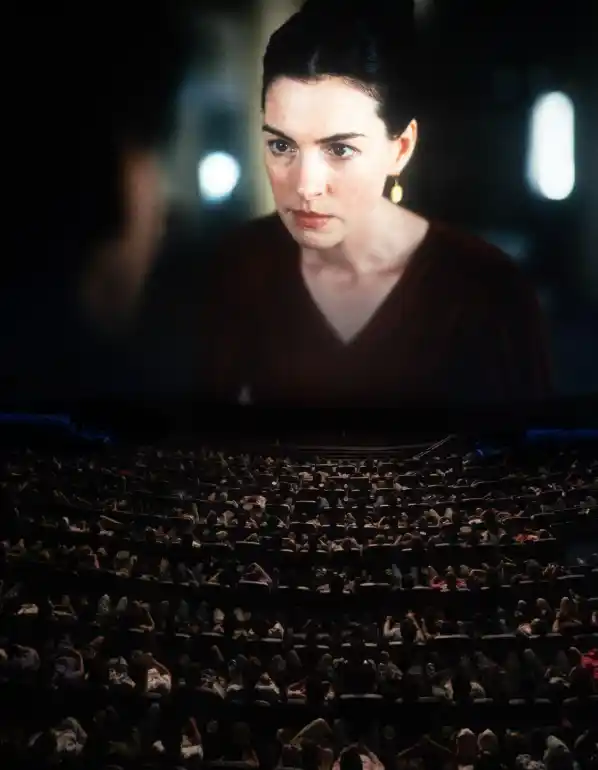
After the film’s release, some people in the comments section criticized the casting as not meeting their expectations, while others complained that the pacing wasn’t fast-paced enough—but no one dared to say the film lacked substance.As the three-hour film slowly unfolds, the camera finally settles on Odysseus’s bloodstained hand, posing a question that leaves viewers reeling for a long time: If we cannot escape the predetermined path of fate, what is the point of fighting against it with all our might?