In 2005, Wang Jinghua led dozens of artists to collectively leave Huayi. The two different business approaches ultimately led to completely different outcomes in the industry.
On an ordinary workday in 2005, the Artist Management Department at Huayi Brothers’ headquarters was in complete chaos—so chaotic, in fact, that three chairs were knocked over. For this industry leader, which at the time relied entirely on its signed artists, nearly half a floor’s worth of workstations had been vacated overnight; no one who witnessed the scene could believe their eyes at first glance.

There had actually been early signs that this would happen. At the time, Wang Jinghua—then the leading agent in the mainland entertainment industry—led a group of well-known actors, including Chen Daoming and Hu Jun, as well as dozens of other signed artists, in a collective resignation from Huayi Brothers.Subsequent negotiations between the two sides lasted a full three months, during which numerous intermediaries shuttled back and forth to mediate, but ultimately, no agreement was reached.
In her early days as an agent, Wang Jinghua made it a habit to always prioritize the actual needs of the artists she represented. Back when she used to accompany artists to media appearances and spend long hours on film sets, if anyone sprained their ankle while traveling, she would always have bruise-relieving medicine ready in advance.and whenever an actor was stuck in a rut and couldn’t find a suitable role, she would stay up all night sifting through her contacts to find a script that fit. The reputation she has built up over the years in the industry is evident to everyone.However, since its inception, Huayi has consistently prioritized capital operations as its core focus. Within the company’s business logic, artists are essentially assets to be monetized—pawns used to drive its commercial strategy. From the very beginning, there has been an irreconcilable divergence between the two parties in their fundamental approaches to business.
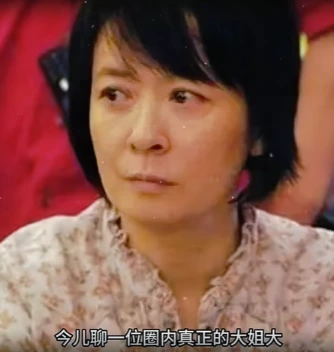
That day, as Wang Jinghua walked out the front gate of Huayi’s office complex carrying the now-empty artist contract box, she never once looked back.
After leaving Huayi, she founded Shiba Culture & Talent Agency, where she continued to follow her established business philosophy: always prioritizing the long-term development needs of her artists, avoiding superficial capital-driven tactics, and steadfastly connecting them with high-quality resources while planning their long-term career paths.Huayi, however, has never adjusted its business direction; it continues to focus its core efforts on capital operations, and the day-to-day management of its artists has never been incorporated into its core business scope.
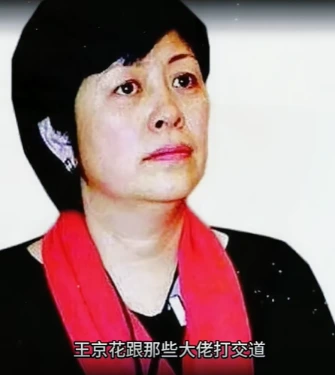
More than two decades have passed, and the development trajectories of the two companies are now clearly evident to the industry. Shiba Culture has firmly established itself among the top tier of the domestic talent agency industry, with a roster that includes both a large number of seasoned veteran actors and several young actors showing strong growth potential.In contrast, Huayi Brothers’ market capitalization has shrunk significantly from its peak. Most of the veteran artists who once supported the company’s content production capacity have since left, and the company has failed to establish a solid pipeline of new talent. As a result, it has long been mired in operational difficulties and has struggled to break out of this predicament.
Most people with years of experience can draw clear conclusions from these two examples of development; differences in business logic ultimately lead to completely different outcomes. Going forward, when dealing with others, it’s always a safe bet to consider things from their perspective.