A Chinese cricket team, which had strived for 12 years for Asian Games qualification, lost without playing due to chaotic event organization and unfair ranking rules after a rainout.
Out Without Even Hitting the Ball? This Chinese Team’s Asian Games Experience Was Heartbreaking
. As soon as the whistle blew, the umpire immediately ruled them out. The players didn’t even get a single chance to swing at the ball. The team’s 12-year journey to qualify for the Asian Games main tournament came to an abrupt end.

Most of the players on this cricket team have switched over from other sports, such as track and field and softball; even those with the most experience have only been playing cricket for four or five years at most, and very few have experience competing in international tournaments.In the final round of the qualifiers for the previous Asian Games, they fought tooth and nail until the very last ball to pull off a comeback and squeeze onto the last spot in the main tournament.Over the past few years, the entire team has taken the field for practice before 6:00 a.m. every day and didn’t wrap up until dusk. Everyone was determined to showcase the results of their training on the Asian Games field, but no one expected that they wouldn’t even get a chance to step up to the batting crease.
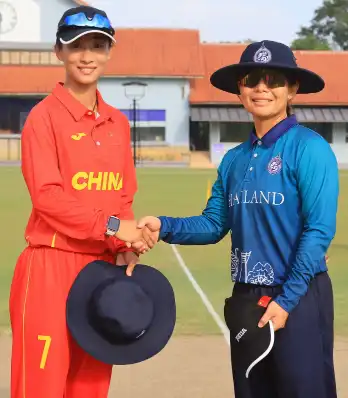
It wasn’t just this one team; organizational chaos was particularly glaring at this year’s Nagoya Asian Games.The Chinese delegation was stranded at the airport for several hours immediately after landing in Nagoya due to coordination issues; the table tennis team’s daily commute from their accommodations to the competition venue takes over an hour; and the men’s basketball team was assigned to temporary accommodations converted from shipping containers, with conditions falling far short of competition standards.
While the rules are clearly defined, competitive sports should allow for more flexibility and consideration, especially for teams that started later. The Chinese women’s team has struggled for years to secure a spot in the Asian Games, and dismissing the hard work and dedication of all its players based solely on cold, hard world rankings is clearly unlikely to win public support.
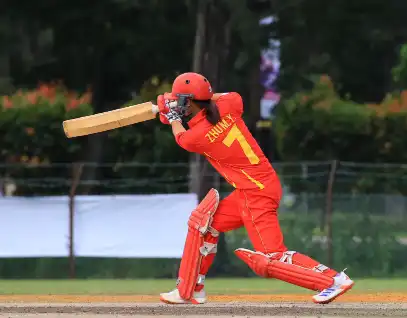
According to the official tournament rules, if a match cannot be rescheduled due to force majeure, the final result will be determined based on the players’ world rankings.A heavy rainstorm the day before the match caused severe waterlogging on the field; at its deepest point, the water reached ankle-level, and the ground was so slippery that it was difficult to even stand steadily. The conditions were completely unsuitable for the basic competitive requirements of cricket, such as fielding and batting, and the match could not proceed under any circumstances.At the time, the Chinese team was ranked 42nd in the world, behind their opponent, the Bangladesh team.
Those nights spent poring over tactics until the wee hours of the morning, clutching training uniforms worn thin from repeated use; the old injuries sustained from repeatedly practicing to correct my form during the early days of switching sports;and the tenacity shown in the final second of the qualifying round, when I was still gritting my teeth to close the gap—are all these efforts really going to go down the drain just because of a rainstorm that prevented us from rescheduling the make-up event?
Everyone in the industry understands that sports events should provide a fairer playing field for teams that started later, and should not discourage participants who have been diligently preparing for years. These young women have persevered and worked hard for so long—their efforts should not be so easily disregarded in this way.