Recent chaotic tampering with classic art performances has triggered regulatory probes, and the industry now must strictly abide by rules and respect traditional culture for long-term sound development.
Guo Degang’s Messy Rework of a Classic Piece Backfires—This Needs to Be Addressed During Guo Degang’s live
Peking Opera performance, the originally scheduled piece “Strumming My Beloved Earthen Pipa” was suddenly replaced—without prior notice to the audience—with an unrelated comedy skit. Chaos ensued,and many audience members who had traveled specifically for the event left early.

Just a few days after the
incident came to light, the relevant regulatory authorities issued an official notice announcing the launch of an investigation into the show’s organizer, and the Xi’an leg of the tour, which had been scheduled to take place, was immediately canceled.
Audience members who had saved up their savings for more than half a year and traveled hundreds of kilometers specifically for this concert stood in the cold wind at the high-speed rail station, clutching the ticket stubs they had secured days in advance, waiting half the night for a resolution—yet they never received an official response from the organizer.
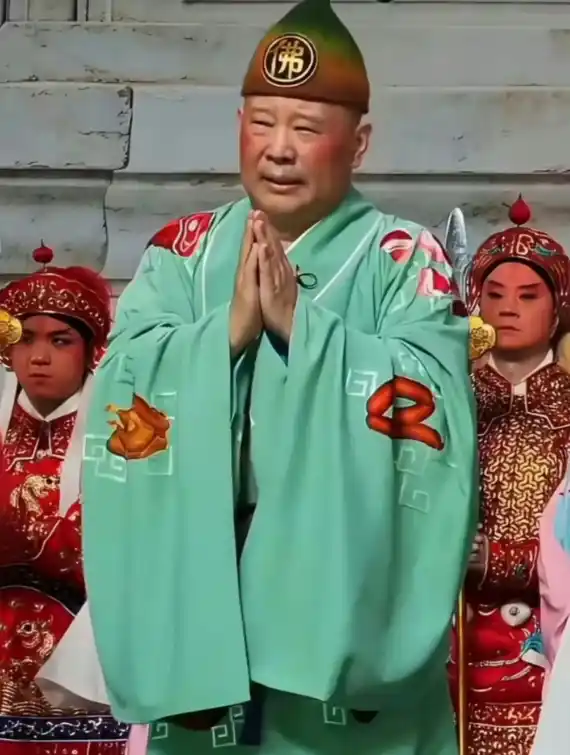
Recently, several incidents involving unauthorized performances that arbitrarily altered classic literary and artistic works have been investigated and dealt with one after another. Now, the industry no longer dares to treat performance compliance requirements as optional formalities.
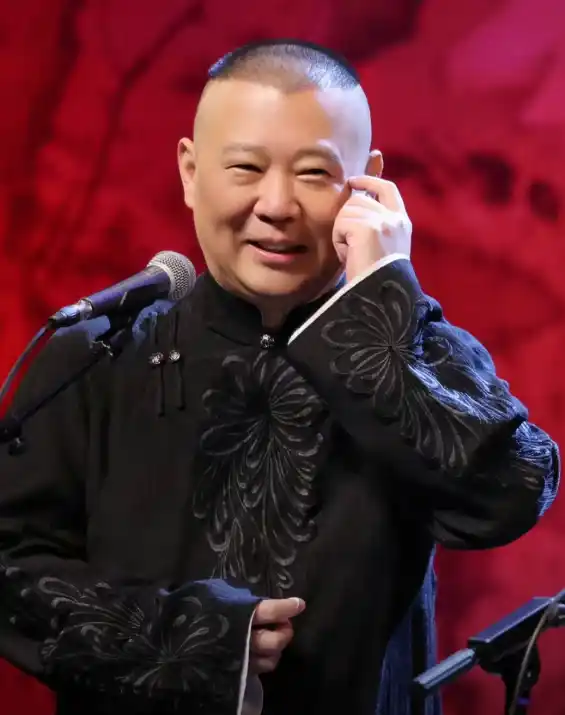
Some netizens have unearthed an old clip of Hong Kong residents discussing the traditional Chinese comedy artist Guo Degang. Having dedicated decades to the field, Guo’s creative work has consistently resonated with the tastes of the general public. In his adaptations of traditional classics, he has always preserved their original essence, never arbitrarily altering classic content or crossing the industry’s red lines.Throughout his long career, he has remained steadfast and adhered strictly to industry regulations. Hong Kong audiences’ appreciation for him has never stemmed from his fame alone, but rather from his reverence for traditional culture and his unwavering commitment to industry standards.
A
review of the relevant regulatory requirements makes it clear that adaptations of classic revolutionary works must strictly adhere to content boundaries; performance content must not exceed the scope of what has been filed for approval; public figures must not disregard public sentiment; and cultural and artistic professionals must shoulder their corresponding social responsibilities—and there can be no room for even the slightest laxity in any of these requirements.The performing arts industry is
currently in the early stages of recovery from a slump, and many practitioners hope to capitalize on the market’s rebound by increasing the number of performances to boost revenue. However, those who resort to underhanded tactics in an attempt to take shortcuts for profit will ultimately pay a much heavier price.
Adherence to industry rules is the foundation for long-term development—a simple consensus that has crystallized through years of development and experience in the arts and entertainment sector.