Li Jun, former Chinese national table tennis player and sister of coach Li Sun, moved to Japan in 1992 and trained Zhangben siblings with standard Chinese youth training methods.
The Younger Sister of Li Sun, a Renowned Coach of the Chinese National Table Tennis Team: It Was She Who Trained Tomokazu and Miu Harimoto In
1992, Li Jun, a former defensive player on the Chinese national team, arrived in Tokyo with a one-way ticket.Today, Tomokazu and Miwa Harimoto—whom she coaches—have long been major rivals for the Chinese national team in international competitions. Few people know that these two young Japanese players, who have repeatedly defeated Chinese national team members, completed all of their early fundamental training in the basement gym Li Jun established.
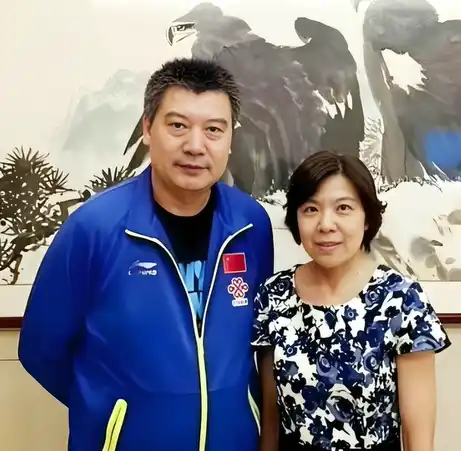
Li Jun comes from a family with a strong table tennis background: her father played for the Bayi Team, her mother was Ye Peiqiong, a former mainstay of the Chinese national team, and her older brother is Li Sun, who later served as head coach of the Chinese national team.During her time on the national team, Li Jun specialized in the defensive-chopping style. At that time, the defensive-chopping approach was not highly valued in the domestic table tennis scene, and with fierce competition within the team, she consistently struggled to secure a stable spot in competitions and saw no prospect of breaking through. After careful consideration, she chose to move to Japan to pursue her career; she later became a Japanese citizen and changed her name to Junko Hane.
After retiring, Li Jun rented half of a basement in a Tokyo neighborhood and opened a table tennis club there. She compiled the youth training standards she had developed over more than a decade with the Chinese national team and posted them on the walls of the club.In her teaching, she consistently adheres to the principle of prioritizing fundamentals. She never blindly rushes through the curriculum or skips training levels; she requires students to ensure the racket angle is precise and accurate for every chop shot, and that the movement framework for forehand attacks is firmly ingrained as muscle memory before allowing them to advance to the next stage of practice.
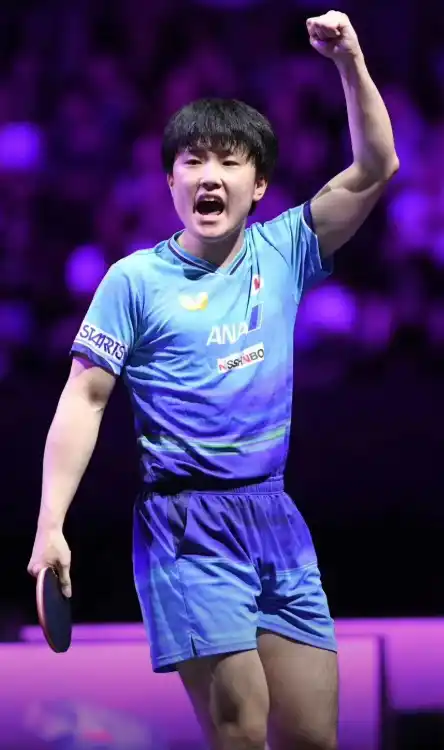
As soon as
Tomokazu and Tomoka Harimoto were old enough to hold a racket, they began regularly visiting Li Jun’s gym to watch and practice. The training principles they first encountered were the very same youth training standards of the Chinese national table tennis team that had been passed down for decades.After years of systematic training, the two gradually began to make a name for themselves in international competitions, winning numerous honors. It was only then that domestic audiences realized that the early training of these two formidable rivals of the Chinese national team had been guided by Li Jun himself.
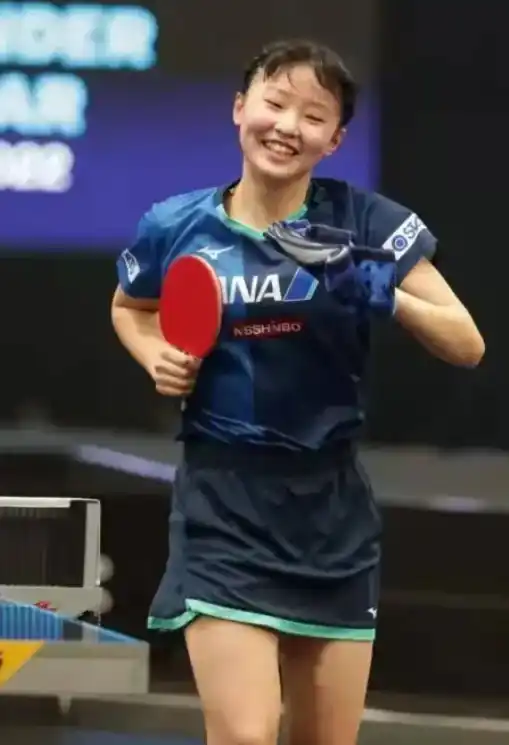
After news of
this spread, it sparked considerable controversy in the public sphere. Some accused her of training competitors for other countries, while others argued that sports education itself knows no national boundaries; she had devoted decades to coaching and had never engaged in any inappropriate behavior that crossed those boundaries.Looking back from the vantage point of 1992, the domestic backhand-spin discipline was not taken seriously at the time, and talented players lacked pathways for advancement; personal choices were often inevitable considerations given the context of the era.In contrast, some domestic youth training institutions today rush to promote their students before their fundamentals are solid, in pursuit of short-term results. This stands in stark contrast to Li Jun’s consistent teaching philosophy of “slow and steady wins the race.”The path
one takes in life is ultimately a personal choice; as long as one stays true to one’s convictions and does not overstep boundaries, others have no reason to interfere unduly.