Ahead of the FIBA Basketball World Cup qualifiers, Chinese fans are on edge. The team has flaws like weak outside scoring, and the coach's club-style logic may not fit national team's short-term goal. The Qatar clash is a key test.
Ahead of the start of the Men’s Basketball World Cup qualifiers, many fans are already feeling a sense of unease that’s hard to put into words.
On the evening of August 27, the World Cup qualifier against Qatar will officially tip off. In the three warm-up games that concluded earlier, the Chinese men’s basketball team posted a record of one win and two losses. Their on-court performance exposed numerous issues: their ability to control turnovers and secure rebounds fell far short of expectations, and their three-point shooting percentage remained consistently low.

Yang Hansen has just returned to China after competing in the NBA Summer League. His role in protecting the paint and securing defensive rebounds has indeed addressed a previous weakness in the roster; however, the chronic issues of lackluster perimeter scoring and the absence of a key playmaker among the guards cannot be fundamentally resolved by simply adding a center.
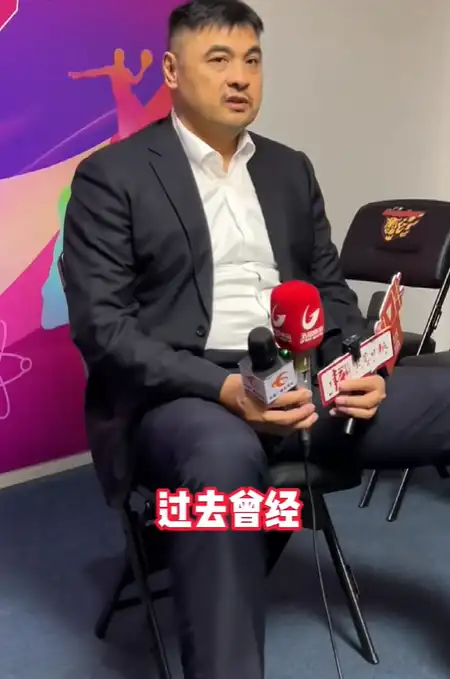
Guo Shiqiang’s coaching track record has long been highly regarded within the industry. In his early years with the Liaoning Men’s Basketball Team, he was responsible for developing the youth training system. Later, while coaching the Guangzhou Men’s Basketball Team, he nurtured several high-caliber domestic players, including Chen Yingjun. He is widely recognized in the industry for his deep expertise in developing young talent.

However, the core objective of national team competitions is to achieve short-term results, leaving virtually no room for trial and error. If the coaching philosophy of long-term player development used by clubs is directly applied to the international stage—idling existing, ready-to-play talent and instead treating the national team coaching position as a training ground for newcomers—it will not only lead to players on the field suffering from physical exhaustion and frequent muscle cramps,but fans watching from the sidelines are also bound to feel frustrated, and the final tournament results are unlikely to meet expectations. What was
originally a coaching strength has been misapplied to the competitive context, becoming a weakness that drags the team down. Discussions surrounding the current coaching philosophy and player selection have long since spread from professional basketball forums to various everyday conversations among the general public.
For the Chinese men’s basketball team, which is currently in a transitional phase,
this World Cup qualifier against Qatar is nothing short of a crucial test of their progress. Their performance in this match has every seasoned basketball fan on the edge of their seat.
Outstanding coaches who have dedicated years to developing youth talent are being sidelined in roles that don’t suit them. The root cause of this issue lies in whether the team’s strategic adjustments failed to keep pace or whether personnel decisions were misguided from the very beginning.
As we gather around our screens to watch the game, we’ll all be witnessing firsthand just how this team performs on the court.