In Aug 2026, South Korean police reopened a decade-old football case involving 2011-2012 improper receptions with 3 Chinese FA staff involved, sparking new public attention.
In August 2026, South Korean police reopened an investigation into a decade-old soccer case, bringing a long-buried industry scandal to light.
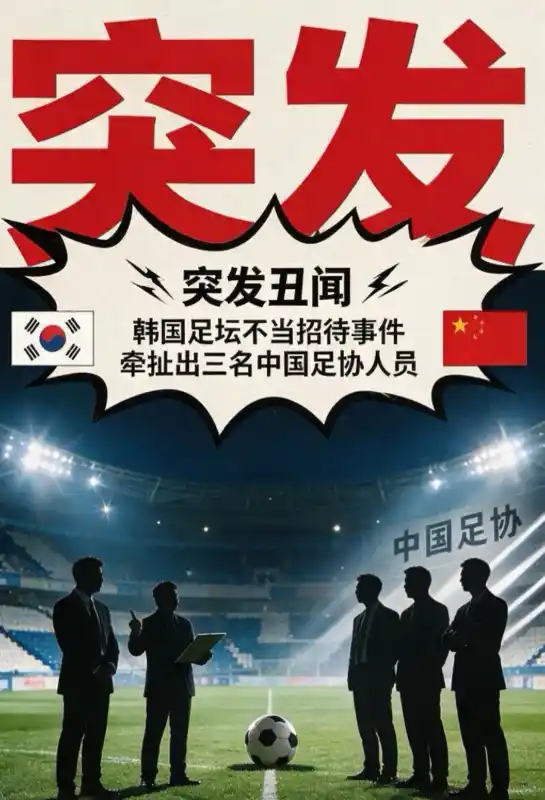
Let’s rewind to the period from March 2011 to March 2012. South Korean media outlet JTBC obtained an investigative report compiled by the Ministry of Culture, Sports and Tourism in 2016, which revealed shocking details: over the course of a year, the Korea Football Association provided inappropriate sexual favors to 20 foreign referees on seven separate occasions.All expenses were charged to the KFA’s official credit cards, with the transactions falsified as “massage fees” or “food and beverage expenses.” The largest single transaction exceeded one million won, and each was approved through the KFA’s internal hierarchical approval process.
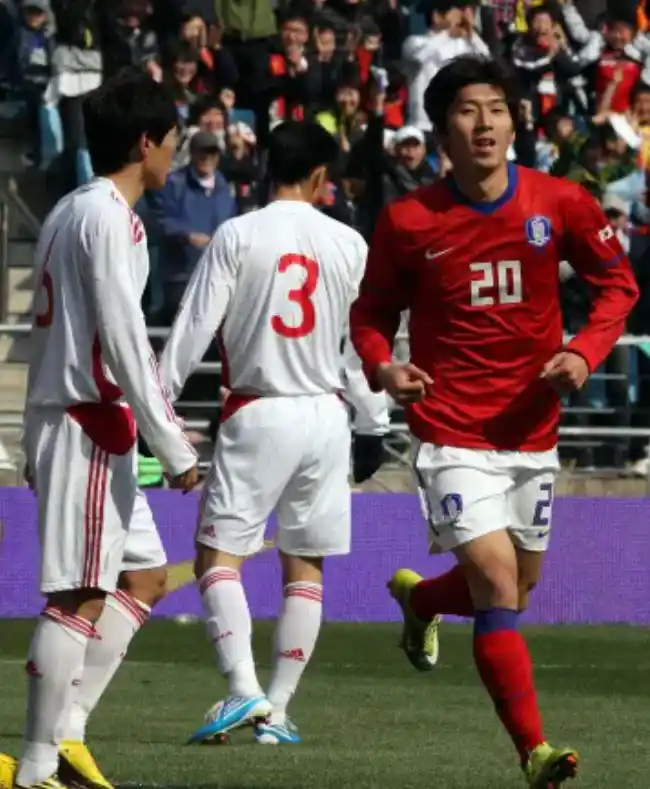
What stung Chinese fans the most was the Olympic qualifier on March 27, 2011, when the Chinese Olympic team played South Korea on the road. Just three hours after the game ended, the Korean Football Association charged 510,000 won to a credit card at a massage parlor in Ulsan to pay for the three referees who officiated the match. China lost that game 0–1.
And that’s just the tip of the iceberg.
In January 2012, three staff members from the Chinese Football Association traveled to South Korea for discussions on a “China-South Korea referee exchange program.” The Korean Football Association arranged for them to visit a massage parlor in Seoul’s Gangnam District. The bill totaled 900,000 won, equivalent to approximately 5,700 yuan.The three officials—the head of the referees’ department, the head of referee accounting, and the head of referee affairs—reached an agreement with the Korean Football Association to implement a league-level referee exchange program the following year—a collaboration that was quite a bold endeavor in East Asian soccer at the time.
This matter was investigated by South Korea’s Ministry of Culture, Sports and Tourism back in 2016, but the findings were swept under the rug afterward, and it was never publicly mentioned for a decade.It wasn’t until 2026, amid this major upheaval in South Korean soccer—marked by poor World Cup results, the simultaneous resignations of Chung Mong-kyu and Hong Myung-bo, and the Ministry of Culture, Sports and Tourism launching an audit—that the old files were finally unearthed.
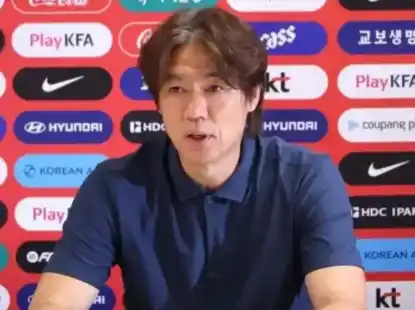
On August 19, the Chinese Football Association announced that it had launched an internal investigation. On August 23, it released the findings: there was no evidence that the Korean Football Association had provided “improper hospitality” to relevant officials of the Chinese Football Association.
However, several key details remain unclear to this day: the South Korean records do not list the full names of the three individuals, nor do they provide specific information on the establishment’s credentials or a detailed breakdown of the expenses; furthermore, there is no evidence to prove whether the Chinese representatives actively requested to participate in the reception or were arranged to attend without their knowledge.
The Korean Football Association has responded by stating, “Documents are retained for only five years; since 15 years have passed, we are unable to provide further details.” The identities of the three Chinese Football Association staff members have not been disclosed to date.
An investigation disproved the allegations of “Chinese involvement,” but it failed to untangle the knot in everyone’s minds—for whom was the 5,700-yuan bill actually signed? That letter of intent from back then eventually came to nothing—were there other hidden circumstances behind it? These questions are likely known only to the parties involved.