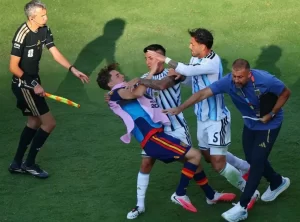
Multiple top table tennis players withdrew from the upcoming WTT Macao Champions Tournament, raising concerns over dense event schedules and athletes' health.
The WTT Macau Champions had previously announced a field of 32 top players. Shortly after the list was released, several well-known players, including Wang Chuqin and Félix Lebrun, announced their withdrawals one after another, citing injuries. The frequency of withdrawals in this tournament was higher than in any other ITTF event over the past six months.
Originally scheduled to take place from September 8 to 13 at the East Asian Games Gymnasium in Macau, the tournament offers 1,000 world ranking points for both the men’s and women’s singles events. It was intended to be a crucial opportunity for players to boost their rankings at the end of the season; however, with key players withdrawing one after another just as the tournament is about to begin, it is inevitable that doubts will arise.
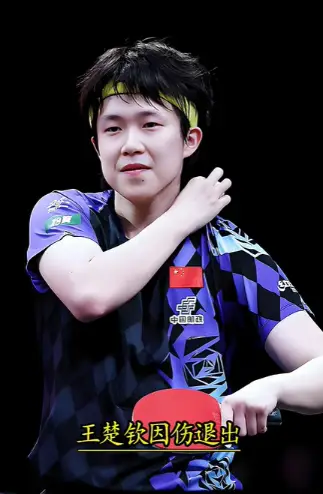
Initial speculation suggested issues with the teams’ training schedules, but neither the athletes themselves nor their respective teams disclosed the specific reasons for their withdrawal.
As more details emerged, it became clear that these key athletes—who had originally planned to compete for points and secure their rankings—were all forced to forfeit their earned spots in the main event because their physical limits had been reached.The ripple effects of these
withdrawals exceeded initial expectations. After receiving notification to fill the vacancies, substitute athletes had to set out immediately for the competition venue, and the organizing committee was forced to completely rearrange the previously finalized schedule and accommodation arrangements.
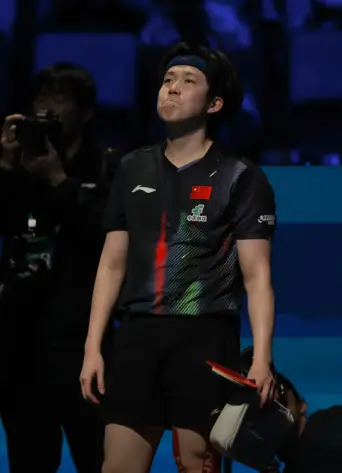
After reviewing the ITTF tournament calendar for the past six months, industry
insiders have pointed out that the recent schedule has been extremely packed, leaving players with almost no adequate time to rest and recover; it is no coincidence that players have had to withdraw due to injuries.
Currently, both industry professionals and the general public agree that athletes’ health takes priority over tournament points, results, and rankings.Persisting in competition while injured should not be held up as a model of professionalism.
Whether in an athlete’s personal decision-making or in team-level planning, the athlete’s physical condition must be the top priority. Tournament organizers should also adjust the schedule to ensure athletes have the necessary time to rest and recover.